
Out of stock
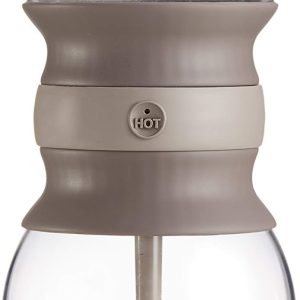
Lékué – Calm Tea Infuser, Brown
46 $Out of stock
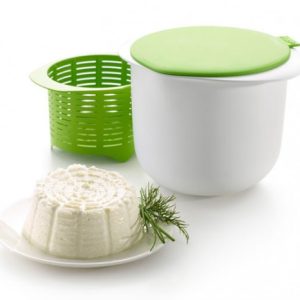
Lékué – Cheese Maker
52 $Fresh cheese has proteins of high biological value and easily absorbed calcium but also minerals such as magnesium, phosphorus and A, B and D group vitamins, so it is a useful food for all ages and especially for the growth stages or in diets to regain muscle mass.
Learn
Fresh cheese can be made with pasteurised cow’s, sheep’s or goat’s milk (in the latter cases with less fat) and we can find Burgos cheese in Spain, which includes salt, petit-suisse in France, which is ideal for children as it includes sugar, or German quark cheese with skimmed cow’s milk, which is creamier and more acidic.
Out of stock
Out of stock
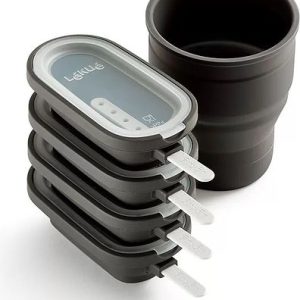
Lékué – Classic Creamy ice cream set
29 $Out of stock
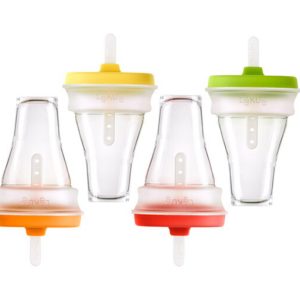
Out of stock
1 in stock
Out of stock
3 in stock

Lékué – Cookbook ‘One Pot Cooking’
26 $Snack-time is our wildcard, and helps us complete the day's intake of food: a piece of fruit if we haven't eaten any that day, a dairy product to complete the daily intake, or a sandwich if we have used lots of energy during the day
Learn
Soups and creamed soups are dishes that help us to follow a balanced and varied diet, and to achieve the nutritional goal of five servings of fruit and vegetables per day. They are part of traditional cooking in many food cultures and can be eaten either hot or cold. One of their main components is water, which helps ensure proper hydration.
Out of stock
Out of stock
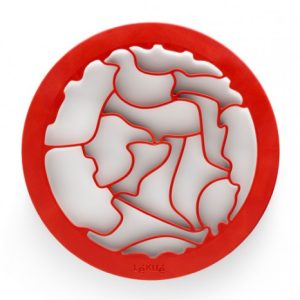
Lékué – Cookie Puzzle Animals
19 $If you have a good hand at decorating and would like to further decorate the cookies, you can use food colouring to make them each a different colour, glaze them with sugar, dip them in chocolate or add sprinkles on top. For perfectionists, our Decopen can help you with the most delicate finishing touches.
Learn
You can make all types of home-made cookies, such as butter, chocolate, ginger, shortcrust, lemon whole grain and other types of cookies. It is best to bake them in the oven and, if we are going to put in a second batch, cool or use another tray, to avoid burning the edges of the cookies.